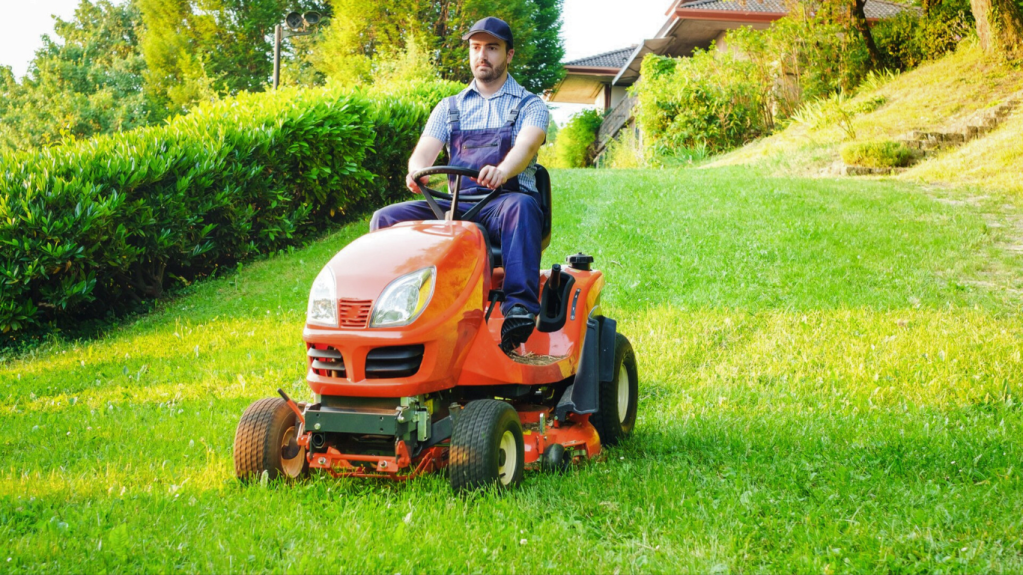
Welcome to the first part of our in-depth series “Lawnmower Maintenance Tips”, dedicated to the art and science of riding lawnmower maintenance. For many, a riding lawnmower is not just a tool but a treasured part of the household, ensuring our lawns remain in pristine condition. However, much like any other machinery, a lawnmower requires regular maintenance to operate at its best. Ignoring routine upkeep can lead to a host of problems, affecting performance and longevity. Through this series, we aim to empower you with knowledge and skills to keep your machine in top condition, ensuring it serves you well for many seasons to come.
Understanding Common Lawnmower Problems
1. Starting Troubles
Symptoms: Your lawnmower might refuse to start or require several attempts before it comes to life.
Possible Causes: This issue could stem from a variety of sources, such as stale fuel, a dirty air filter, spark plug issues, or a depleted battery.
Diagnostic Steps: Begin by checking the simplest possibilities—ensure your mower has fresh fuel and a clean air filter. Next, inspect the spark plug for signs of wear and check the battery’s voltage.
2. Uneven Cutting
Symptoms: The grass looks unevenly cut, with some areas noticeably taller than others.
Possible Causes: Dull or unbalanced blades are often the culprit. Additionally, tire pressure discrepancies can lead to uneven cutting heights.
Diagnostic Steps: Inspect the blades for dullness or damage. Check each tire’s pressure to ensure they are evenly inflated.
3. Overheating Engine
Symptoms: The engine runs hotter than usual, potentially with smoke or a burning smell.
Possible Causes: Overheating can occur due to a build-up of debris around the engine, low oil levels, or a malfunctioning cooling system.
Diagnostic Steps: Clean around the engine compartment to remove debris. Check the oil level, and ensure the cooling system is not obstructed.
4. Loss of Power During Mowing
Symptoms: The mower loses power when cutting grass, especially in thick or tall grass areas.
Possible Causes: This problem may arise from a clogged air filter, dull blades, or engine running on old or contaminated fuel.
Diagnostic Steps: Replace or clean the air filter, sharpen or replace the blades, and make sure you’re using fresh, clean fuel.
Tips for Troubleshooting at Home
- Keep a Maintenance Schedule: Regularly check and replace essential components like the air filter, spark plug, and oil.
- Use Fresh Fuel: Avoid starting issues by using fresh fuel and adding a stabilizer if the mower will be idle for more than a month.
- Inspect Blades Regularly: Dull blades not only affect the cut quality but can also put unnecessary strain on the engine.
- Learn from Each Problem: Every issue encountered is an opportunity to understand your machine better, making you more prepared for future maintenance.
Conclusion
This blog has laid the groundwork for maintaining your riding lawnmower, covering common problems, their symptoms, causes, and initial diagnostic steps. Regular maintenance is the key to ensuring reliability and performance. Stay tuned for our next part in this four-part series, where we’ll dive deeper into the specifics of preventative maintenance and advanced troubleshooting techniques. Remember, a well-maintained lawnmower not only saves you time and money but also transforms lawn care into a joy rather than a chore. See you in Part 2 of the series!
Thank you for joining us in our blog series. I’m thrilled to share the passion, stories, and the unique A & A experience with you. Stay tuned for more from April Gerni and the A & A Small Engine Repair family! To learn more about us visit About (aasmallenginerepair.com) or join us on Facebook.
 A & A Small Engine Repair